Column · @hectorleho274
Understanding The Distinction In Between Precancerous Skin Developments And Skin Cancer
·Filed by @hectorleho274
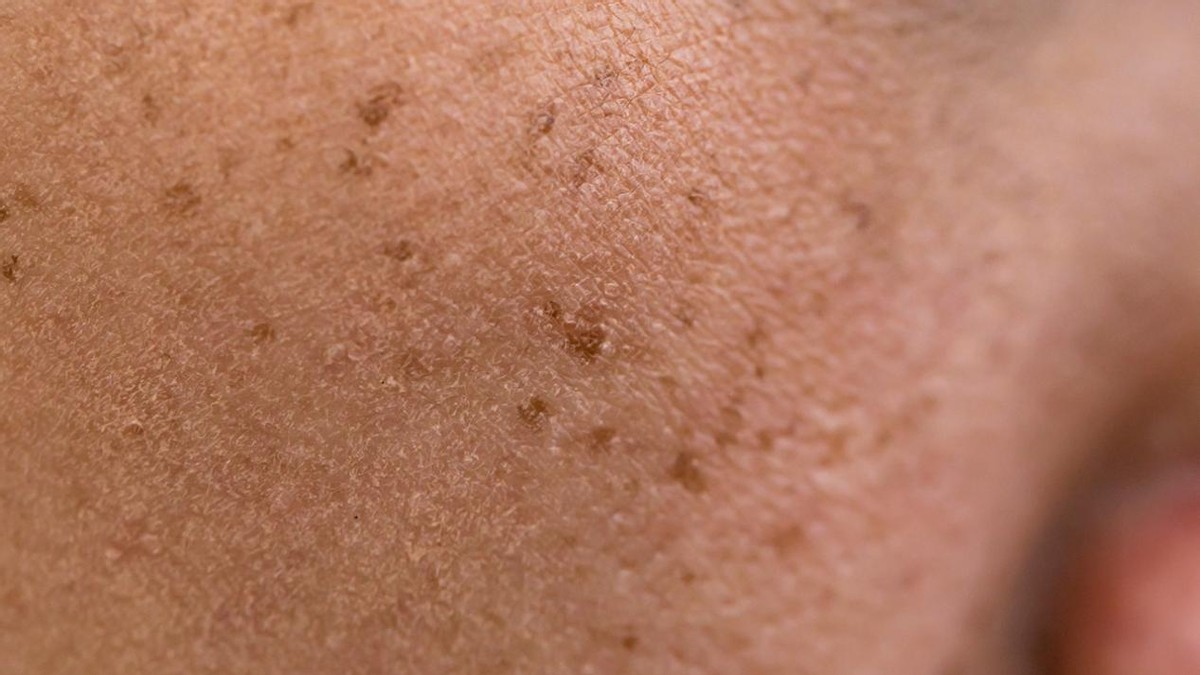
Changing Moles And Skin Sores: Exactly How To Know When To See A Mohs Specialist
Papules are smaller and commonly connected to problems like acne or dermatitis, while nodules are deep and might suggest cysts or even more risky conditions. Macules, like blemishes, are small, while bigger spots may arise from conditions like vitiligo or dermatitis. It is necessary to note that any new place on the skin should be analyzed. Rest assured, your care group overviews you every action of the method, whether it's monitoring, added treatment, or peace of mind. Afterward, patients can typically resume their regular activities, with some care guidelines to keep sanitation and defense of the location.Visits
Photos shown are for illustrative purposes and do not assure similar results. Performing rapidly is the very best way to catch skin cancer cells early and improve results. We have an energetic medical science research study program and frequently seek volunteers to participate in professional trials. These research studies help our scientists boost analysis strategies, develop much better treatments, and collaborate with other scientists.- Basic cell cancer is one of the most common kind of skin cancer cells brought on by sun damages.
- If you go to high risk for skin cancer, see a dermatologist at the very least yearly for routine screening and surveillance.
- They are generally of combined shade, including pink, red, tan, and brown.
Exactly how do I know if a skin lesion is cancer?
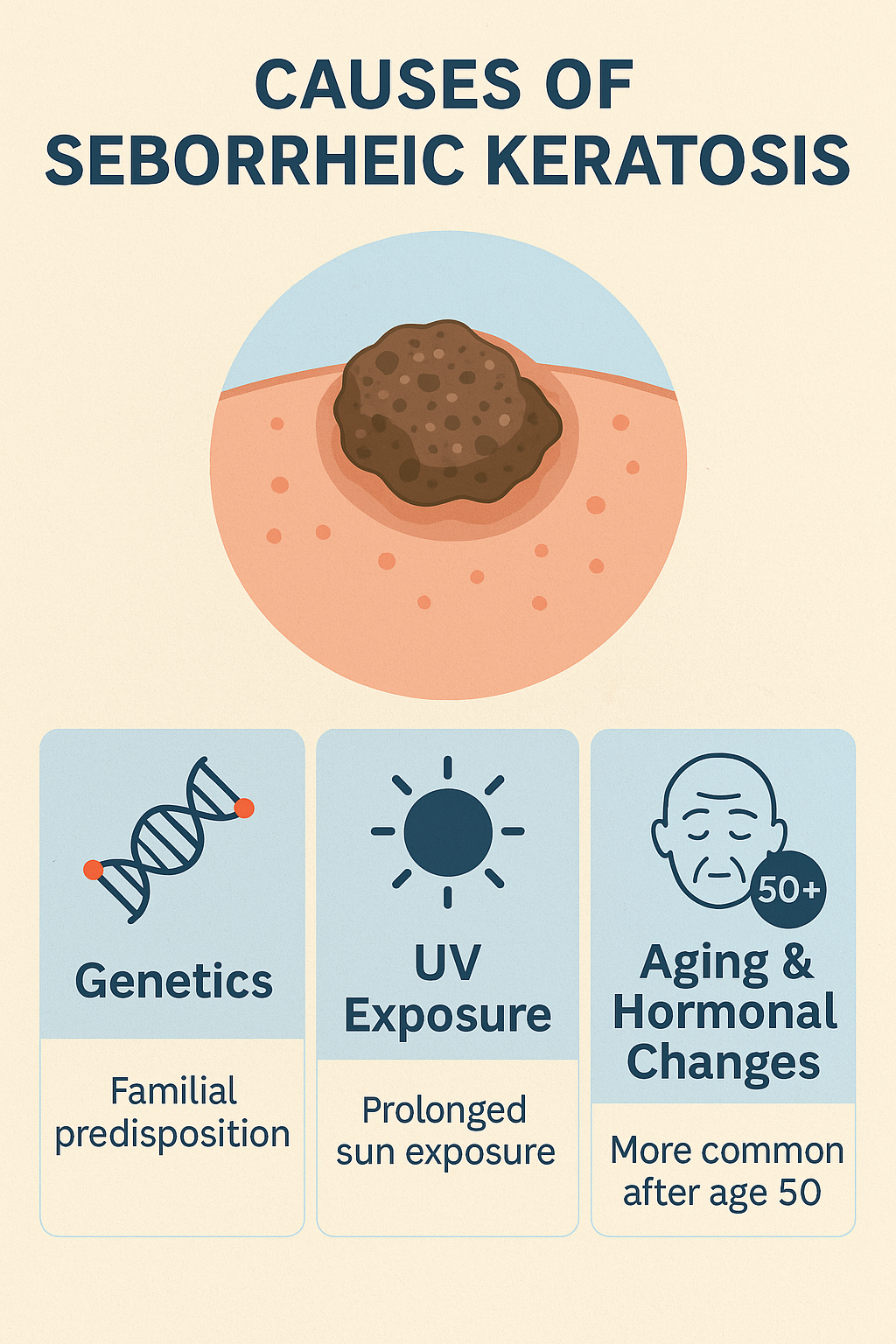
An aching that does not recover after a couple of weeks, or one that appears to recover and afterwards returns. It might hemorrhage, exude or crust over. A spot of skin that''s a different color and ends up being Seborrheic Keratosis darker or modifications color. A level pink/red or brown-colored spot or bump that might appear like a scar.
— 30 —